Laura

/Laura
­

About Laura

This author has not yet filled in any details.
So far Laura has created 55 blog entries.

Bab al-Barda’in or Bab Berdaïne is the northern gate of the historic medina of Meknes, Morocco.

Bab al-Barda’in existed as one of the original gates of the fortified city in the 11th century by the Almoravids.

This original medieval gate is partly preserved south of the current gate. The current gate, located at the northern end of the medina, was built under the Alaouite by Sultan Moulay Ismail

The gate is one of the most impressive in the city. It bears strong architectural similarities to Bab el-Khemis, located to the southwest, which dates from the same period. The gate has a simple straight passage (unlike the curved entrances of medieval Moroccan gates) which opens through a horseshoe arch and is flanked by two large square bastions.

Discover Morocco with us!!

Ask about our private, customized and personalized tours. A real experience!!

Marienplatz, the centre and soul of Munich

Marienplatz, the centre and soul of Munich (Germany)

Originally the square was called Schrannen, but it was renamed St. Mary’s Square to ask the Virgin Mary to protect the city from the cholera epidemic that was taking place. Marienplatz is a square with great significance for the city and has numerous points of interest.
These are some of the most notable:
– Mariensäule (St. Mary’s Column)
– New Munich Town Hall
– Carillon
– Old Munich Town Hall and Fischbrunnen.
The heart and nerve centre of the city, Marienplatz is worth enjoying.

In addition to enjoying its daily life, it offers the possibility of climbing the tower of the New Town Hall and in its vicinity you can enjoy the pleasant Viktualienmarkt.

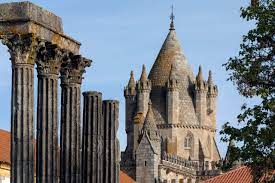
Evora, in the heart of the Alentejo region, Portugal

Evora, in the heart of the Alentejo region, is one of the best preserved medieval towns in Portugal.

Evora is the only Portuguese city that is a member of the Network of the oldest cities in Europe.
Discover Evora!! a fascinating fortified citadel.
Its geographical location makes it the ideal place to visit in the south of Portugal from Lisbon or Spain.


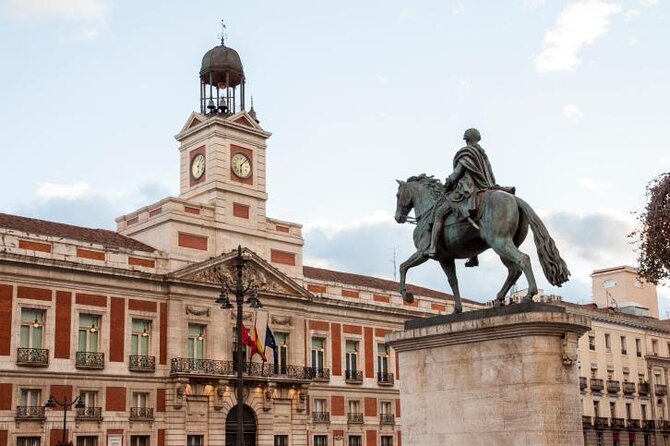
Spain. Madrid. Puerta del Sol

Travel to Spain. Discover Madrid. Puerta del Sol.
This porticoed square located in the old town is the heart of the historic Madrid of the Austrias. Puerta del Sol takes its name from a gate in the medieval wall, demolished in the 17th century, which was decorated with a sun. It was a place outside the city walls that was transformed into the centre of the capital.

Central and bustling, Puerta del Sol square is one of the emblems of Madrid. A meeting place for Madrid residents and a must-see for all visitors, it is where several of the city’s busiest and historic streets converge, such as Mayor, Arenal, Alcalá or Preciados.

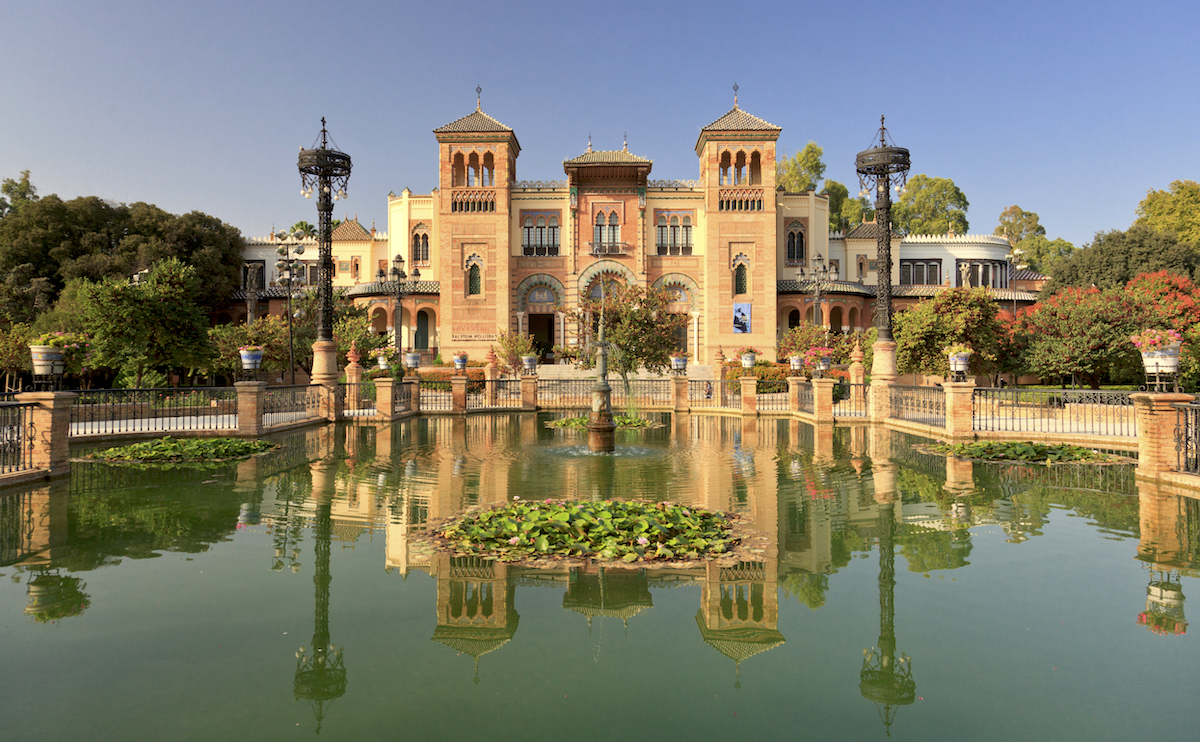
Maria Luisa Park in Sevilla

María Luisa Park is the first urban park in Sevilla (Andalucia, Spain) and one of its green lungs.
In 1983 it was declared an Asset of Cultural Interest in the category of Historic Garden.3 It was inaugurated on April 18, 1914 as the Infanta María Luisa Fernanda urban park.

These spaces, which were originally part of the private gardens of the San Telmo Palace, were donated in 1893 by the Infanta María Luisa Fernanda de Borbón, wife of the Duke of Montpensier, to the city.
The squares of Spain and America , built for the Ibero-American Exposition of 1929, are integrated into the park.
The park has an area of 34 hectares, has a wide variety of plants, very lush in many places, open in others, with some large areas of grass.
The park, as it can be seen today, is quite similar to that of the 1929 Exhibition.

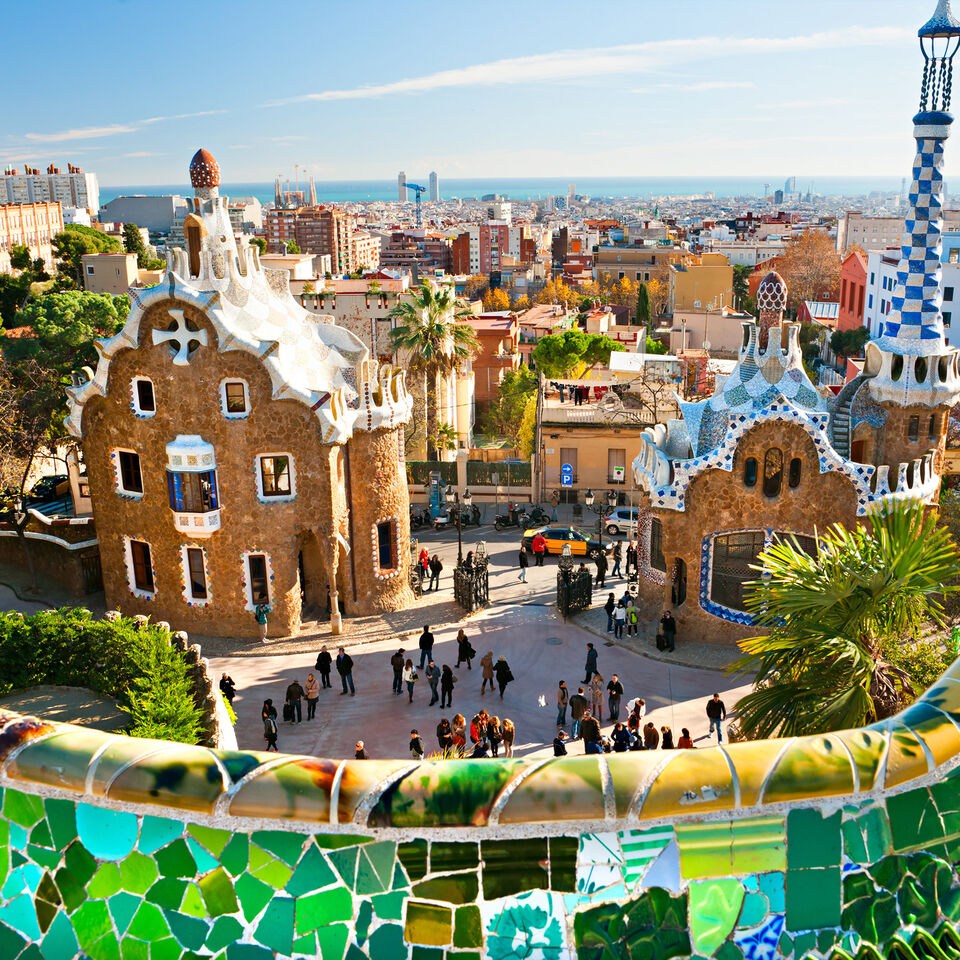
Park Güell – The best known park in Barcelona

Park Güell, designed by Antoni Gaudí in 1900, was inaugurated as a public park in 1926. In 1984 it was declared a World Heritage Site by UNESCO, recognizing its heritage value as a symbol of modern architecture.
This public park with gardens and architectural elements is located in the upper part of the city of Barcelona (Spain), in the foothills of the Collserola mountain range.
Güell Park is a reflection of Gaudí’s artistic fullness: it belongs to his naturalistic period (first decade of the 20th century), a period in which the architect perfected his personal style, through inspiration in the organic forms of nature, to which put into practice a whole series of new structural solutions originated in his in-depth analysis of ruled geometry.
In Park Güell, Gaudí displayed all of his architectural genius and put into practice many of his innovative structural solutions that would be emblematic of his organicist style and that would culminate in the Sagrada Familia.

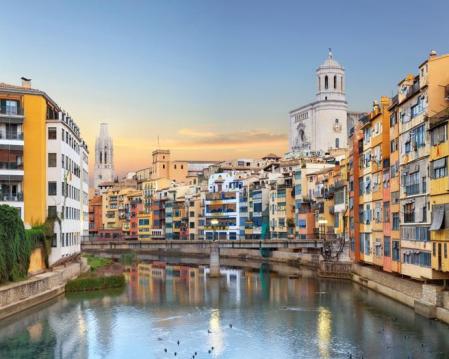
Girona

Located in the north of Catalonia and very close to France, the beautiful city of Girona is one of the most interesting places in the north of Spain.
For many, the most beautiful city in Catalonia, this small city, has managed to preserve the most authentic of its essences, that is, without turning its back on the future and modernity.
The old town of Girona is one of the great wonders of this city and an example of how the architectural heritage of any town should be preserved.
The Barri vell (Old Quarter) as the old town is known is one of the most impressive in the country and in all of Europe.
Bathed by the river Onyar (Oñar), it is precisely in the area of ​​the promenade that borders its flow as it passes through Girona, where we can appreciate one of the most beautiful pictures that the municipality gives us.
The famous colored houses (cases de l’Onyar) that are found on the shore of this river, are more than enough reason to come to visit and get to know this beautiful city.

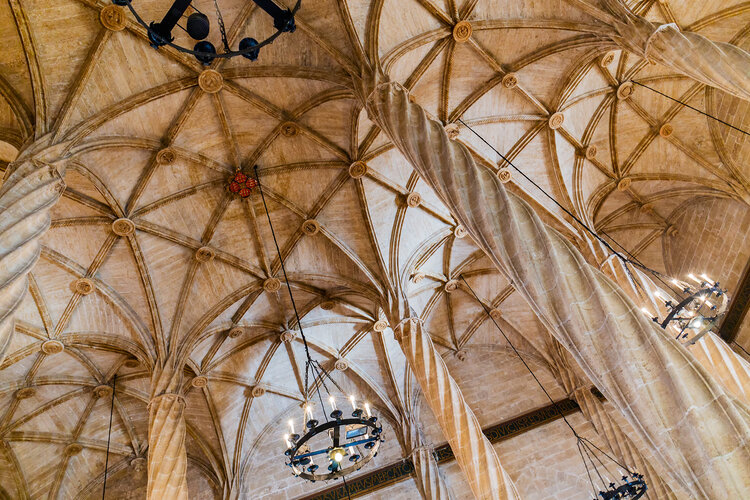
The Lonja de la Seda in Valencia – Silk Market

The Lonja de la Seda de Valencia or Lonja de los Mercaderes is a Valencian civil Gothic masterpiece located in the historic center of the city of Valencia (Spain).
Declared, in 1996, a World Heritage Site by Unesco, it is located in the Plaza del Mercado, number 31, in front of the Church of the Santos Juanes and the Central Market of Valencia.
It was named a National Monument since 1931, and UNESCO declared the Lonja de la Seda a World Heritage Site on December 5, 1996, as a “totally exceptional example of a secular building in late Gothic style, which illustrates splendidly the power and wealth of one of the great mercantile cities of the Mediterranean ”, being considered one of the most brilliant examples of European civil Gothic.

The Royal Monastery of San Lorenzo de El Escorial

The Royal Monastery of San Lorenzo de El Escorial is a complex that includes a royal palace, a basilica, a pantheon, a library, a school and a monastery. It is located in the Spanish town of San Lorenzo de El Escorial, in the Community of Madrid, and was built in the 16th century between 1563 and 1584.
The palace was the residence of the Spanish royal family, the basilica is the burial place of the kings of Spain and the monastery –founded by monks of the Order of Saint Jerome– is currently occupied by friars of the Order of Saint Augustine. It is one of the most unique Renaissance architectures in Spain and Europe. Located in San Lorenzo de El Escorial, it occupies an area of 33,327 m², on the southern slope of Mount Abantos, at an altitude of 1,028 m, in the Sierra de Guadarrama. It is managed by National Heritage.
It was considered, since the end of the 16th century, the Eighth Wonder of the World, both for its size and functional complexity and for its enormous symbolic value.
On November 2, 1984, UNESCO declared the Monastery and Site of El Escorial as a World Heritage Site. It is one of the main tourist attractions in the Community of Madrid. The monumental complex receives more than 500,000 visitors a year.

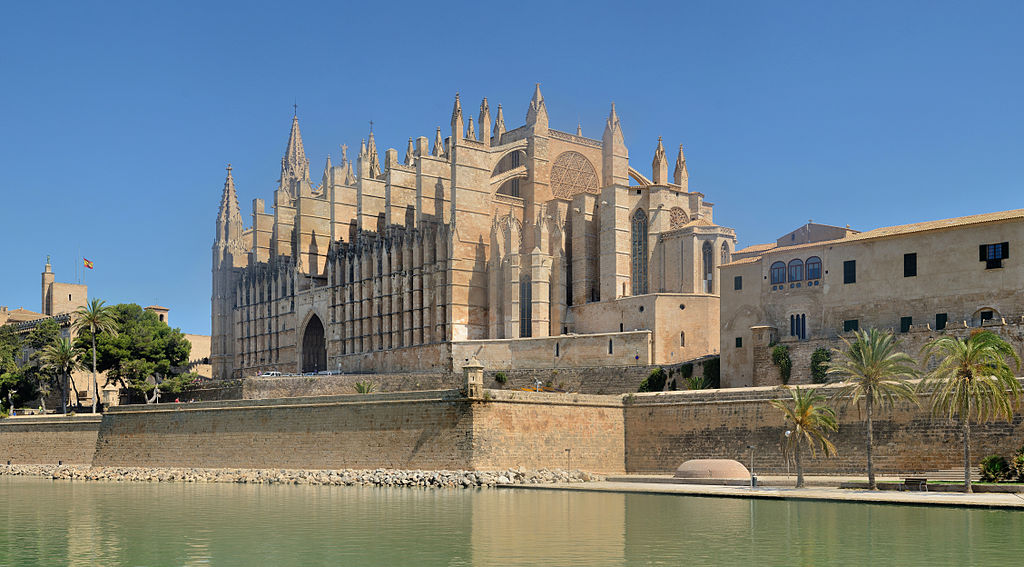
Mallorca Cathedral, Spain

The Cathedral-Basilica of Santa María in Palma (Mallorca) also called the Cathedral of Mallorca is the main religious building on the island of Mallorca.
In Catalan, it is known as La Seu (Seu or Seo is the name given to cathedrals in the Crown of Aragon).
It consists of a Levantine Gothic style temple built on the shore of the bay of Palma.
It overlooks the sea on the Roman and Renaissance walls that protected the city, being the only Gothic cathedral that meets this peculiarity.
It also consists of the headquarters of the diocese of Mallorca, its holder is the Assumption of Mary.
In 1931 it was declared a Historic-artistic Monument.
In addition, it is the cathedral with the largest rose window in the Gothic world.